

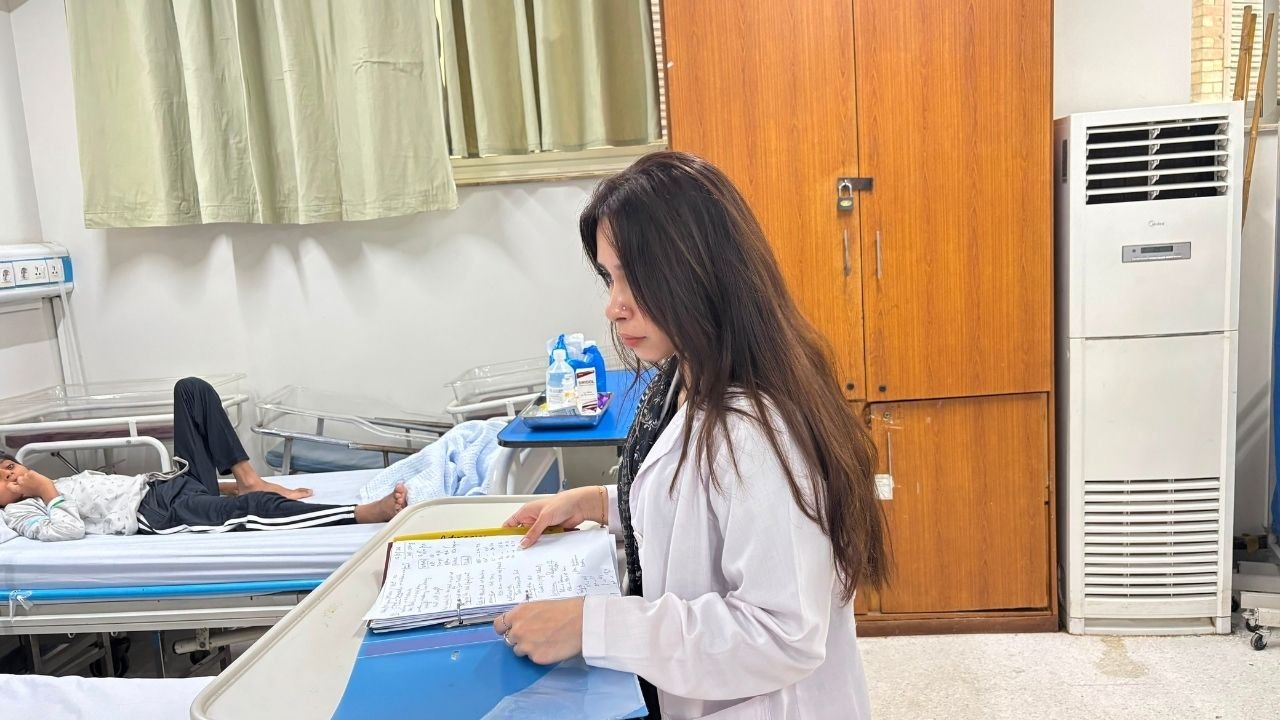
Nutrition plays a critical role in preventing, managing, and supporting the treatment of many medical conditions. Clinical Nutrition is a specialized branch of healthcare that uses evidence-based nutritional therapy to improve health outcomes, manage chronic diseases, accelerate recovery, and enhance overall quality of life. Guided by a qualified nutritionist, clinical nutrition focuses on treating the individual—not just the condition.
Clinical Nutrition: Personalized Nutrition Therapy for Better Health and Disease Management
The clinical nutrition process begins with a comprehensive assessment of the patient’s health. This includes reviewing medical history, current diagnoses, medications, laboratory reports, body composition, dietary habits, lifestyle, allergies, food intolerances, and family history. Understanding these factors allows the nutritionist to identify nutritional deficiencies, health risks, and dietary patterns that may be affecting the patient’s well-being.
Based on this assessment, a personalized nutrition care plan is developed to address the individual’s specific health needs. Whether managing diabetes, hypertension, heart disease, obesity, kidney disorders, gastrointestinal conditions, liver disease, hormonal imbalances, food allergies, or nutritional deficiencies, every recommendation is tailored to support medical treatment while promoting long-term wellness.


A comprehensive clinical nutrition program includes therapeutic meal planning, calorie and nutrient calculations, portion control, hydration strategies, symptom management, nutritional supplementation where appropriate, and ongoing nutrition education. The nutritionist also provides practical guidance for grocery shopping, meal preparation, dining out, and adopting sustainable lifestyle habits that fit the patient’s daily routine.
Clinical nutrition is an ongoing partnership
Rather than a one time consultation. Regular follow up appointments allow progress to be monitored, treatment plans to be adjusted, laboratory values to be reviewed, and goals to be refined as health improves. This continuous support helps patients stay motivated, overcome challenges, and achieve lasting results.
Clinical nutrition is more than a diet—it is a scientifically guided approach to restoring health, preventing complications, and improving everyday life. With personalized care and expert nutritional guidance, individuals can better manage medical conditions, enhance recovery, and build healthier habits that support lifelong wellness.
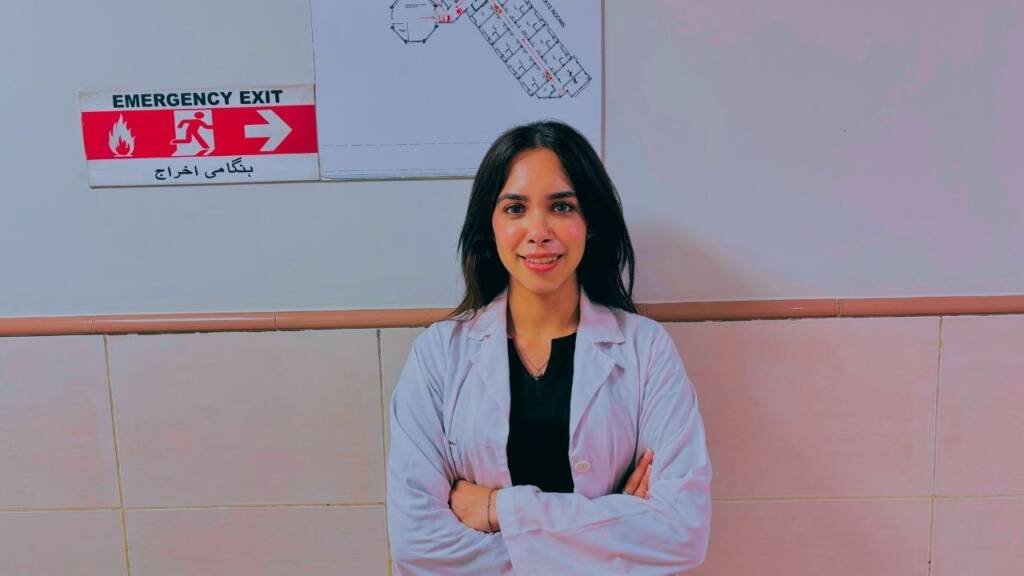
Key Areas at FIZZ Cover During the Clinical Nutrition Process
- Comprehensive medical and nutritional assessment
- Review of medical history, medications, laboratory reports, and diagnostic results
- Body composition and nutritional status evaluation
- Identification of nutritional deficiencies and risk factors
- Disease-specific nutrition therapy (e.g., diabetes, hypertension, cardiovascular disease, kidney disease, gastrointestinal disorders, liver disease, obesity, PCOS, and thyroid disorders)
- Personalized therapeutic meal planning
- Calorie, macronutrient, and micronutrient requirements
- Food allergies, intolerances, and special dietary needs
- Hydration and electrolyte management
- Nutrition support before and after surgery, where applicable
- Evidence-based supplement recommendations when appropriate
- Lifestyle counselling, including sleep, stress management, and physical activity
- Patient education to improve long-term adherence
- Regular monitoring, progress tracking, and plan adjustments
- Coordination with physicians and other healthcare professionals when needed
A successful clinical nutrition program combines medical knowledge, personalized nutrition therapy, ongoing monitoring, and patient education to help individuals achieve better health outcomes and sustainable lifestyle improvements.